
©
Photo: Vikiçizer, CC BY-SA 3.0, Wikimedia CommonsArriving at Antalya Airport: from the plane to your hotel
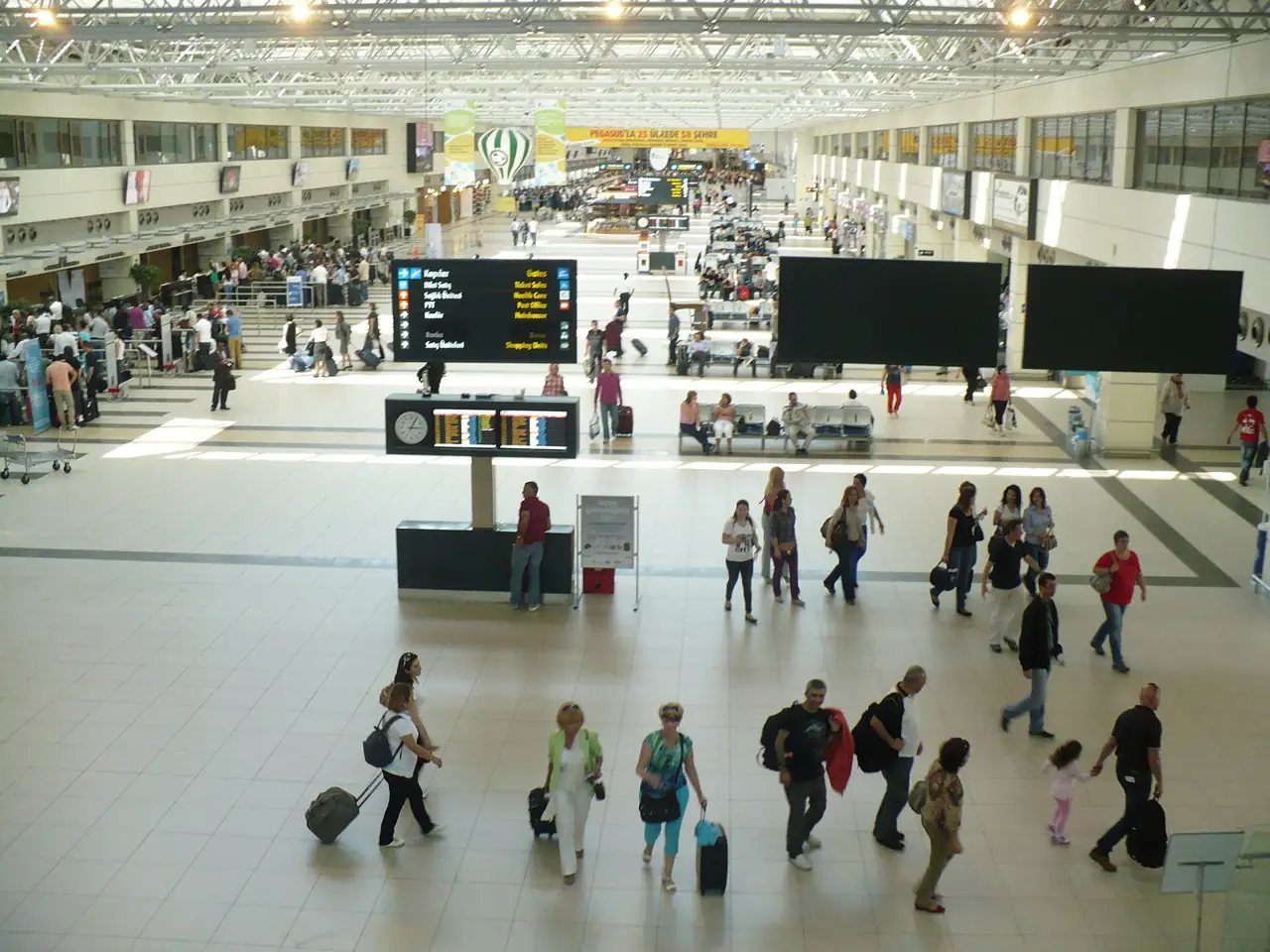
Most holidays on the Turkish Riviera start at Antalya Airport, and the rest at Dalaman for the Turquoise Coast or the small Gazipaşa-Alanya airport. The first hour after landing is the same everywhere: passport control, bags, customs, then finding your driver, a taxi or a bus. None of it is difficult, but knowing the order of things, where to get money and a SIM card, and which offers to ignore makes the start of the holiday far calmer.
The three airports at a glance
Which airport you land at decides how long the drive to your hotel will be. Each one links to its own transfer guide with times and typical prices for every resort.
| Airport | What it is like | Nearest resorts | Good to know | Airport transfer |
|---|---|---|---|---|
| Antalya (AYT) | The main airport of the coast: large and busy, with two international terminals and a separate domestic one | Lara and Antalya city in 20 minutes, Belek, Kemer and Side within about 70 | Long passport queues on summer weekends; check your terminal before flying home | AYT 35 min |
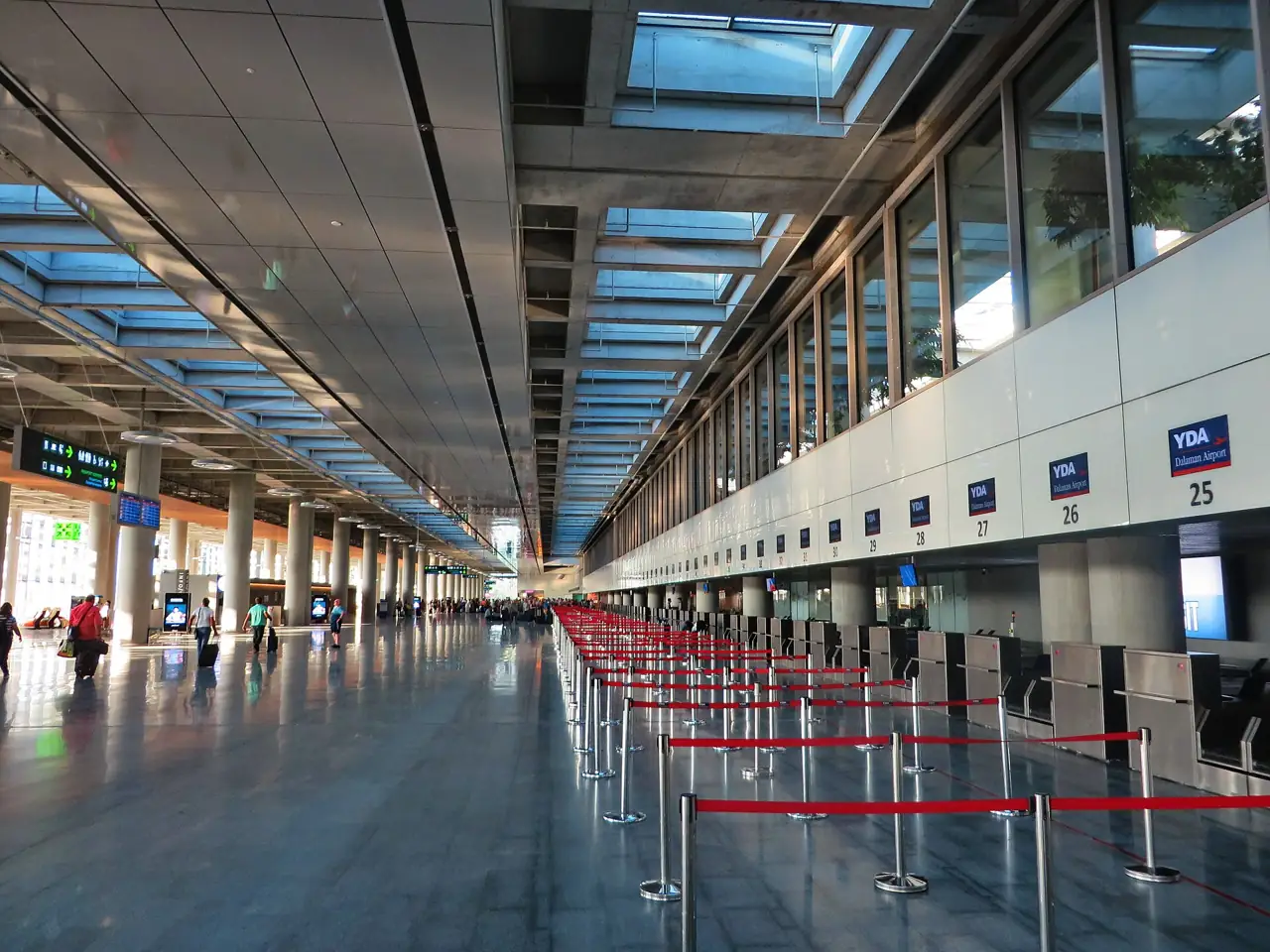
| Dalaman (DLM) | Mid-sized airport with an international terminal busy mainly in summer and a separate domestic terminal | Sarıgerme, Dalyan, Göcek, Fethiye, Çalış, Ölüdeniz and Hisarönü | Far fewer flights in winter; the Havaş bus runs to Fethiye in season | DLM 45 min |
| Gazipaşa-Alanya (GZP) | Small and quick to get through, with domestic flights and a limited, mostly seasonal choice of international ones | Alanya, Mahmutlar, Konaklı and Avsallar | Few shops and services; much closer to Alanya than Antalya is | GZP 40 min |
The time column shows the daytime drive to one typical resort: Belek from Antalya, Fethiye from Dalaman and Alanya from Gazipaşa.
Step by step after landing
Passport control
Follow the signs for arrivals and passport control (Pasaport Kontrol). Entry rules depend on your nationality: many EU and UK citizens can visit visa-free for a short stay, while some nationalities need an e-visa applied for online before travel. Rules change, so check the current requirements on official sources (the Turkish foreign ministry and your own government's travel advice) before you book, and make sure your passport is valid for long enough.
There are separate lanes for Turkish citizens and foreign passports. In July and August, when several charter flights land at once, the queue can take well over half an hour; keep passports and any visa printout to hand.
Baggage and customs
Screens in the baggage hall show which belt your flight is on. Trolleys are free or cost a small coin depending on the airport. Report missing or damaged luggage at the lost and found desk in the baggage hall before you leave the secure area.
Customs works with two channels: walk through the green channel if you have nothing to declare, and use the red channel if you carry goods above the allowances or large amounts of cash. Bags are sometimes put through a scanner on the way out.
Arrivals hall and meeting points
Tour-operator reps usually stand just outside the arrivals exit with a sign or a desk and send you to the coach park. Private transfer drivers wait in the arrivals hall or right outside it with your name on a sign; your booking confirmation says where. Licensed taxis queue at a rank directly outside the terminal.
Money, SIM cards and Wi-Fi
Cash and cards
There are cash machines in the arrivals halls. Exchange desks at airports usually offer worse rates than in town, so change only what you need for the first day, if anything. Cards are widely accepted in hotels, restaurants and larger shops, but keep some Turkish lira in cash for the dolmuş minibus, small cafés, markets and tips. If a cash machine asks whether to charge you in your home currency or in lira, choosing lira is usually cheaper.
Phone and internet
Tourist SIM cards are sold at the airport and at mobile phone shops in every resort, and many visitors now buy an eSIM online before they fly. Turkey is not part of the EU roaming zone, so check your own provider's rates before using data. Phones brought from abroad have to be registered (IMEI) only for longer stays; for a normal holiday it does not apply, but check the current rules if you plan to stay for months. All three airports and practically every hotel have free Wi-Fi.
Getting to your hotel
A pre-booked private transfer is the most relaxed option, especially with children or after a late flight: the driver waits even if the plane is delayed and takes you to the door. A tour-operator shuttle is included in many package holidays; it is cheap but stops at several hotels on the way. A metered taxi from the rank costs more but needs no booking.
Airport buses, such as Havaş and similar services, run from the airports to city centres and bus stations (otogar), often timed to arrivals. They are the cheapest way into Antalya, Fethiye or Alanya, but to reach most resort hotels you then change to a dolmuş or a taxi.
Times and typical prices for every resort are in our guides to Antalya Airport transfers, Dalaman Airport transfers and Gazipaşa-Alanya Airport transfers. Once you are settled, our guide to getting around explains buses, dolmuş and hire cars.
Avoiding the classic hassles
Taxis and unofficial drivers
Take taxis only from the official rank, and make sure the meter is switched on when you set off, or agree the fare before you get in. Ignore people who approach you inside the terminal offering a cheap ride: they are not licensed, and the price often changes on arrival.
Transfers and meeting points
Check your transfer booking before you fly: the flight number, the hotel name and the meeting point. Save the company's phone number and message them when you land. If nobody is there after you have come through customs, call rather than accept an offer from someone else.
Night arrivals and peak season
Many charter flights land late in the evening or at night. Taxis run around the clock, but a night tariff applies after midnight, so a pre-booked transfer often works out better for late flights. On summer weekends allow plenty of time for passport control and baggage, and do not plan anything for the first evening that depends on landing on time.
Flying home
Antalya has two international terminals (1 and 2) and a separate domestic terminal. Which one you fly from depends on the airline, so check your booking or the airport's departure information before you set off; ask the driver to take you to the right one. In July and August security and check-in queues can be long, so arrive early.
Tax-free shopping is available after security at the larger airports. Most flights home leave after the usual check-out time: many hotels can arrange a late check-out or a day room, often for a charge, and will store your luggage so you can spend the last morning at the beach.
Frequently asked questions
How long does it take from landing to a hotel in Belek or Side?
Allow 30 to 60 minutes for passport control and baggage, and longer on busy summer weekends. The drive from Antalya Airport takes about 35 minutes to Belek and about 70 minutes to Side; a shared shuttle that stops at several hotels can add an hour. See all times under Antalya Airport transfers.
Can I pay in euros?
Many hotels, taxis and shops in the resorts accept euros, but usually at a poor rate. Paying in Turkish lira, in cash or by card, is normally cheaper. Take lira from a cash machine at the airport or in town for small payments.
Is there Uber at the airport?
Ride-hailing apps are of little use at the Riviera's airports. Licensed taxis from the official rank, pre-booked transfers and airport buses are the norm.
Which terminal do I use at Antalya Airport?
Antalya has two international terminals and a separate domestic terminal. Which one you use depends on the airline, and it can change, so check your booking or the airport's flight information before you travel.
Is it safe to take a taxi at night?
Yes, if you use a licensed taxi from the official rank. Check that the meter is on and expect the night tariff after midnight. Avoid drivers who approach you inside the terminal.