
©
Photo: Maurice Flesier, CC BY-SA 4.0, Wikimedia CommonsShopping on the Turkish Riviera: what to buy, where and how to bargain
Turkish delight, spices, olive oil soap, a cotton peştemal, a hand-painted bowl or a carpet: shopping is part of a holiday on the Turkish Riviera, and it can be fun or frustrating depending on where you go. This guide covers what is worth buying and how to tell good quality from tourist stock, where to shop from weekly markets to old-town bazaars, how bargaining works and where it does not, the traps to avoid, and what to check before you pack your purchases for the flight home.
What to buy
Turkish delight, tea and spices
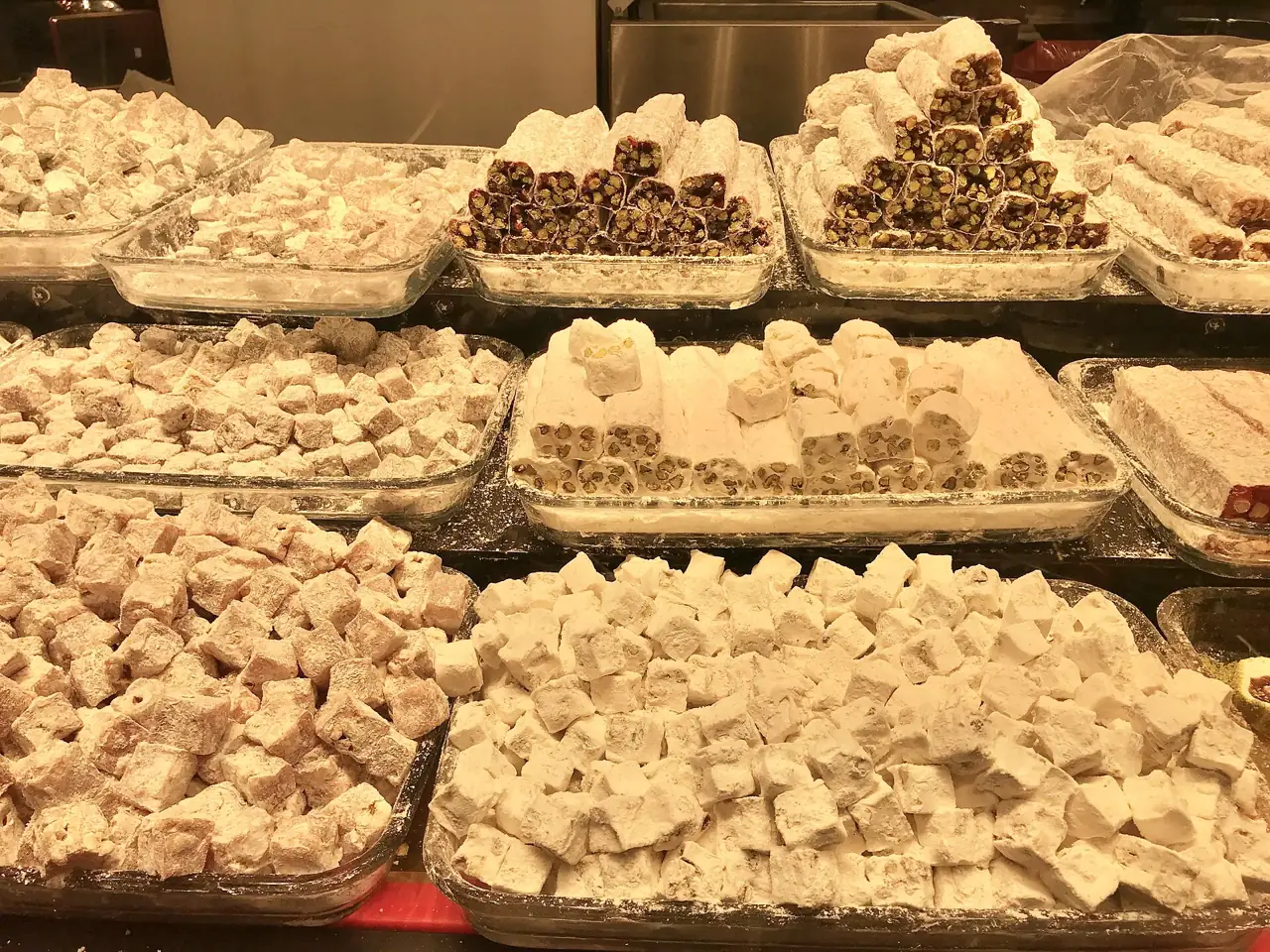
Good lokum (Turkish delight) is soft and slightly elastic, not hard or sugary-dry; ask to taste first and check the date on packed boxes. Varieties with pistachio, hazelnut or clotted cream are the classics. Turkish tea is a black tea from the Black Sea coast; the bright "apple tea" sold in tourist shops is mostly sweetened powder, nice but not what Turks drink.
For spices, pul biber (chilli flakes), sumac, dried thyme and mint are useful and cheap. Be careful with "Turkish saffron": real saffron is expensive everywhere, and the cheap red threads in bazaars are usually safflower, which colours food but has little taste.
Olive oil, olive soap and Turkish coffee
The Aegean and Mediterranean coasts produce good olive oil. Look for natural extra virgin (natürel sızma) with a recent harvest date; tins travel better than glass. Olive oil soap and laurel soap (defne sabunu) are light, cheap and make easy gifts.
Turkish coffee should be ground very fine and bought in a sealed or vacuum pack, as it loses its aroma quickly. A copper cezve (coffee pot) is a nice companion; if you want to use it, check it is tin-lined inside, as some decorative pots are not meant for cooking.
Peştemal and towels
The peştemal is the thin, flat-woven hammam towel: light, quick-drying and good as a beach towel, scarf or tablecloth. Pure cotton or cotton-linen is the standard; handwoven ones have small irregularities and a firmer feel than cheap printed copies. Turkish cotton towels and bathrobes are also good value. More on the hammam itself in our Turkish bath guide.
Ceramics
Bowls, plates and tiles in the style of İznik and Kütahya are everywhere. Most of what you see in tourist shops is moulded and printed, which is fine as a souvenir. Hand-painted pieces show slight variations in the lines, often carry the painter's signature underneath and cost noticeably more. Wrap them well and carry fragile items in your hand luggage.
Carpets and kilims
A handmade carpet is a serious purchase, so take your time. Turn it over: on a hand-knotted carpet the pattern on the back is as clear as on the front, with small irregularities; machine-made carpets look perfectly uniform. Wool on wool is the most practical; "silk" at a low price is often artificial silk or mercerised cotton. Kilims are flat-woven, lighter and usually cheaper.
Ask for a written invoice describing the material, origin and age, and see the section on taking things home below.
Leather, gold, silver and the evil eye
Leather jackets and bags are widely sold; check the stitching, the lining, the zips and the smell, and try things on properly. Gold in Turkey is priced by weight at the day's gold rate plus a workmanship charge; the purity is stamped (14 karat = 585, 22 karat = 916), and serious jewellers will weigh the piece in front of you. Silver should be stamped 925.
The blue glass nazar boncuğu (evil eye bead) is the classic small gift: in Turkey it is hung at home, in cars and on babies' clothes to keep away envy. Glass ones are nicer than plastic and cost very little.
Where to shop
Weekly markets
Every town and many neighbourhoods have a weekly pazar: fruit and vegetables, cheese, olives, spices, textiles and plenty of copies of brand clothing. It is the cheapest place for food gifts and the most local shopping experience. Days and places are in our market days guide.
Kaleiçi and the old bazaars of Antalya
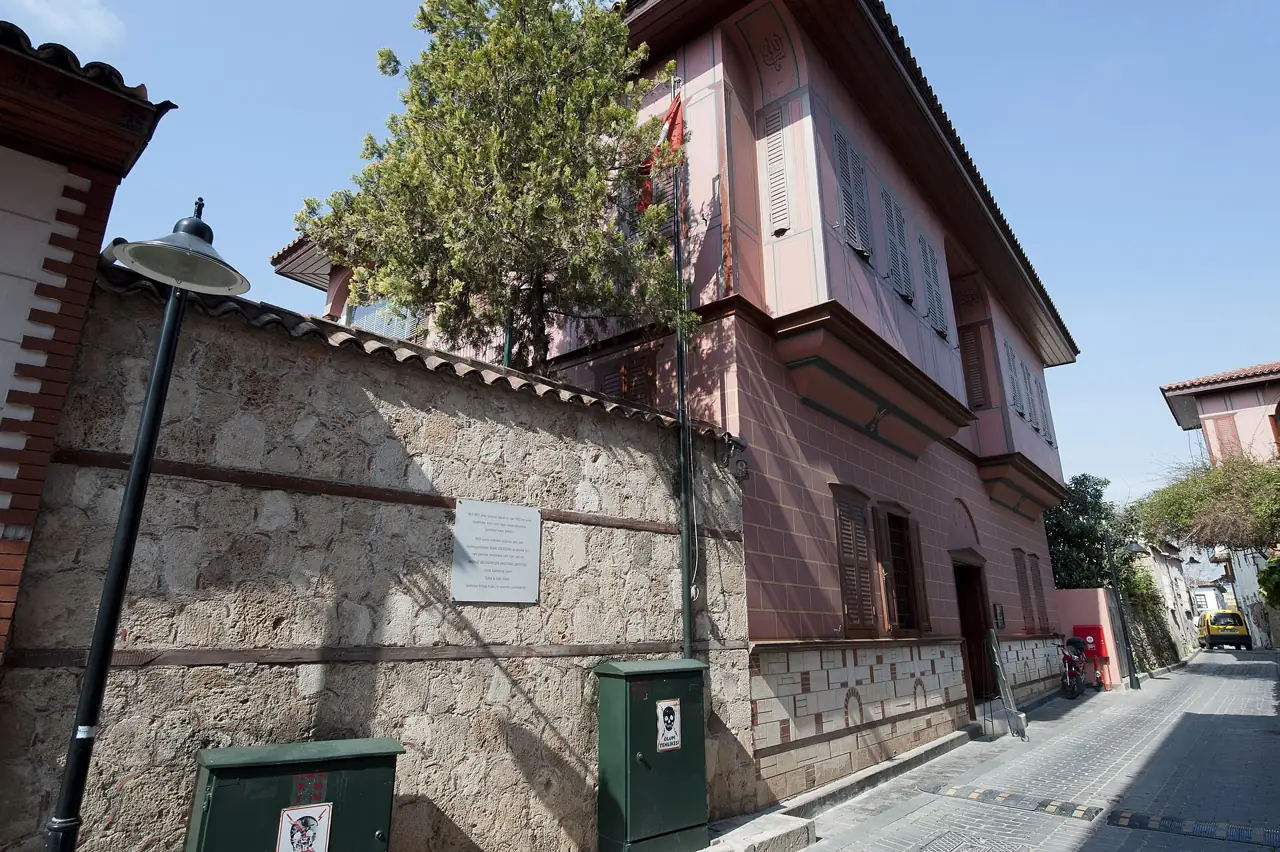
In Antalya the narrow streets of Kaleiçi and the old bazaar area around it are full of small shops for carpets, ceramics, lamps, leather and spices. The atmosphere is lovely, the prices are tourist prices and bargaining is expected. Combine it with the harbour and the museum; see our Antalya city guide.
Side, Alanya and Fethiye
The main street of Side leading to the ancient harbour is one long open-air shop, busiest in the evening; see our Side guide. In Alanya the shopping streets behind the harbour and the bazaar near the centre have everything from towels to gold; see our Alanya guide. Fethiye has an old bazaar area (Paspatur) with small shops and cafés near the fish market; see our Fethiye guide.
Shopping malls and supermarkets
Antalya, Alanya, Manavgat and Fethiye have large modern shopping malls with Turkish and international chains, fixed prices and air conditioning, useful on a hot afternoon or for clothes and electronics. Supermarkets are the cheapest place for tea, coffee, lokum, spices and olive oil in sealed packs, often at a fraction of tourist-shop prices.
Bargaining and traps
Where you bargain and where you don't
Bargaining is normal in tourist bazaars, carpet, leather and jewellery shops and at market stalls selling textiles. It is not done in supermarkets, chain stores, malls, pharmacies, restaurants or for food at the weekly market, where prices per kilo are usually written on a sign; at most you get an extra handful when you buy a lot.
Prices displayed in euros or pounds in tourist areas are often higher than lira prices. Paying in cash in lira can help, and if you pay by card, choose to pay in lira rather than your home currency. More in our money and cards guide.
How to bargain politely
Decide beforehand what the item is worth to you. Ask the price, show interest without enthusiasm, make a counter-offer clearly below your limit and meet somewhere in between. Being friendly and patient works better than being tough, and a cup of tea is hospitality, not an obligation to buy. If you name a price and it is accepted, you are expected to buy, so do not bargain just for sport. Walking away politely is always fine.
The "factory visit" on tours
Many cheap day trips and "shopping tours" include a stop at a leather, jewellery, carpet or textile "factory" or showroom. Be aware that the tour company and guide usually receive a commission on what you buy there, which is part of why the tour is so cheap, and prices tend to be higher than in town. You do not have to buy anything; just enjoy the free tea. More on choosing tours in our day trips guide.
Copies of brand goods
Copies of brand clothes, bags, watches and perfume are sold openly in bazaars and markets. Taking them home is not as harmless as it looks: customs in the EU and the UK can seize counterfeit goods, and some countries also fine travellers. Rules differ by country, so check with your own customs authority. Fake perfume and cosmetics can also contain substances you would not want on your skin.
Taking things home
Customs allowances
When you fly back to the EU or the UK, there are limits on how much alcohol and tobacco you may bring without paying duty, and a value limit for other goods. These limits differ between the EU, the UK and Switzerland and change from time to time, so check the current figures on your own customs authority's website before you buy a lot. Meat and dairy products from outside the EU are generally not allowed into the EU.
Carpets, antiques and old objects
Turkey strictly protects its cultural heritage: antiques, old coins and objects from archaeological sites may not be taken out of the country, and the penalties are serious. Never buy "ancient" coins or pieces offered on the street or at a site. For an old carpet or any item that could count as an antique, ask the seller for an invoice and, where needed, the official document that allows export; reputable dealers know the procedure. If in doubt, confirm with the museum or customs authorities before you buy.
Liquids and fragile items
In hand luggage, liquids are limited to small containers in a clear bag at most airports, so olive oil, honey, jams, perfume and drinks bought in town belong in your checked suitcase, wrapped in clothes and in a sealed plastic bag. Duty-free purchases after security are an exception, but if you change planes, check the rules for the transfer airport.
VAT refund (tax free)
Visitors who live outside Turkey can reclaim part of the VAT on purchases in shops that take part in the tax-free scheme, usually above a minimum amount per receipt. Ask for the tax-free form when you pay, keep the goods unused, and have the form stamped at customs at the airport before check-in. Conditions and minimum amounts change, so ask the shop and confirm at the airport.
Frequently asked questions
What should I buy in Turkey as a souvenir?
Popular choices are Turkish delight, tea, spices, Turkish coffee with a copper cezve, olive oil soap, a cotton peştemal, ceramics and the blue glass evil eye bead. Food gifts are cheapest at supermarkets and the weekly markets.
Do you have to bargain in Turkey?
Only in certain places: tourist bazaars, carpet, leather and jewellery shops and textile stalls. In supermarkets, malls, chain stores, pharmacies, restaurants and for food at markets prices are fixed. Bargain politely and only if you really want to buy.
Are the shopping stops on day trips worth it?
Usually not for price. The tour company and guide generally earn a commission on sales at these "factory" stops, and prices are often higher than in town. You are under no obligation to buy.
Can I take a carpet home from Turkey?
Yes, new and recent carpets are fine; keep the invoice. Antiques and old objects are protected and may not leave Turkey without official permission, so for an old carpet ask the seller for the export document and confirm with the authorities if unsure.
Can I get the VAT back on purchases in Turkey?
Visitors living abroad can reclaim part of the VAT in shops that take part in the tax-free scheme, usually above a minimum amount. Ask for the form, and have it stamped at airport customs before check-in. Conditions change, so confirm in the shop.