
©
Photo: William Neuheisel from DC, US, CC BY 2.0, Wikimedia CommonsPatara: 18 km of sand behind a Lycian city
Patara is one of the longest beaches in Türkiye: around 18 km of sand and dunes west of Kalkan, with no hotels on it because it is a protected area and a nesting beach for loggerhead turtles. You reach it through the ruins of ancient Patara, and the small village of Gelemiş behind the site has family-run pensions. Come for space, nature and history; do not come for nightlife or shade.
Where to stay near Patara
There is nowhere to sleep on the beach itself. You either stay in Gelemiş, a few minutes from the ruins and the sand, or base yourself in Kalkan or Kaş and come for the day.
| Area | Character | Beach | Best for | From DLM |
|---|---|---|---|---|
| Gelemiş village | Small farming village with family-run pensions, a few small hotels and simple restaurants | Patara beach about 2 km away, through the ancient site | Nature lovers, walkers, couples on a budget, early beach mornings | 1 h 45 min |
| Beach and dunes | Protected coast with no buildings; a seasonal snack bar and sunbed area by the main entrance | Fine sand, wide and gently shelving; waves on windy afternoons | Day visits only, the beach closes at night | 1 h 45 min |
| Kalkan | Hillside town of villas, small hotels and rooftop restaurants | Pebbly town beach and platforms; Patara about 20 minutes by car | Villa holidays, evenings out, Patara as a day trip | 1 h 45 min |
| Kaş | Lively harbour town with a strong diving and outdoor scene | Pebble coves and platforms; Patara about 45 minutes away | Active holidays, boat trips, livelier evenings | 2 h 15 min |
Patara has no separate transfer route: the times shown are from Dalaman Airport (DLM) to Kalkan (Dalaman Airport to Kalkan). The Patara turn-off comes about 15–20 minutes before Kalkan, so the drive to Gelemiş is a little shorter.
The beach
Patara beach
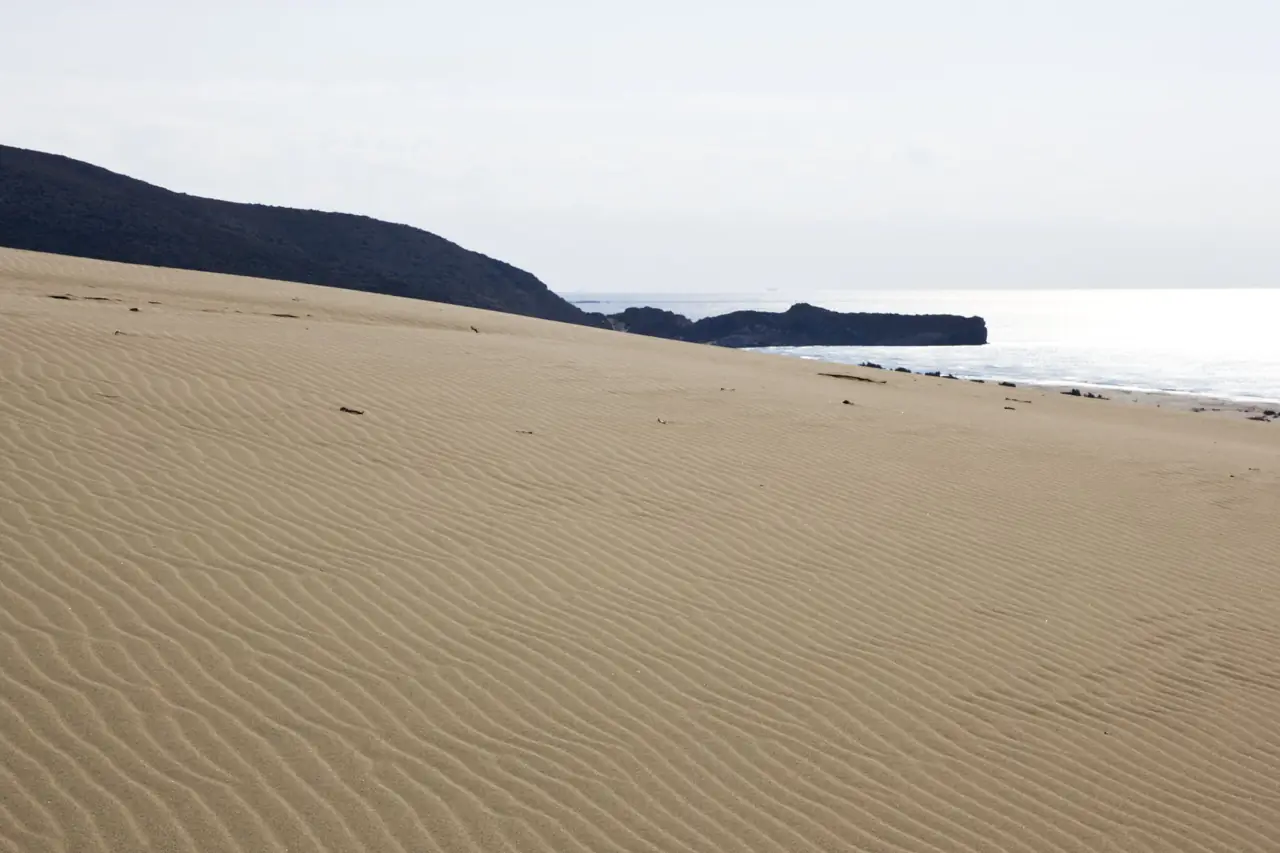
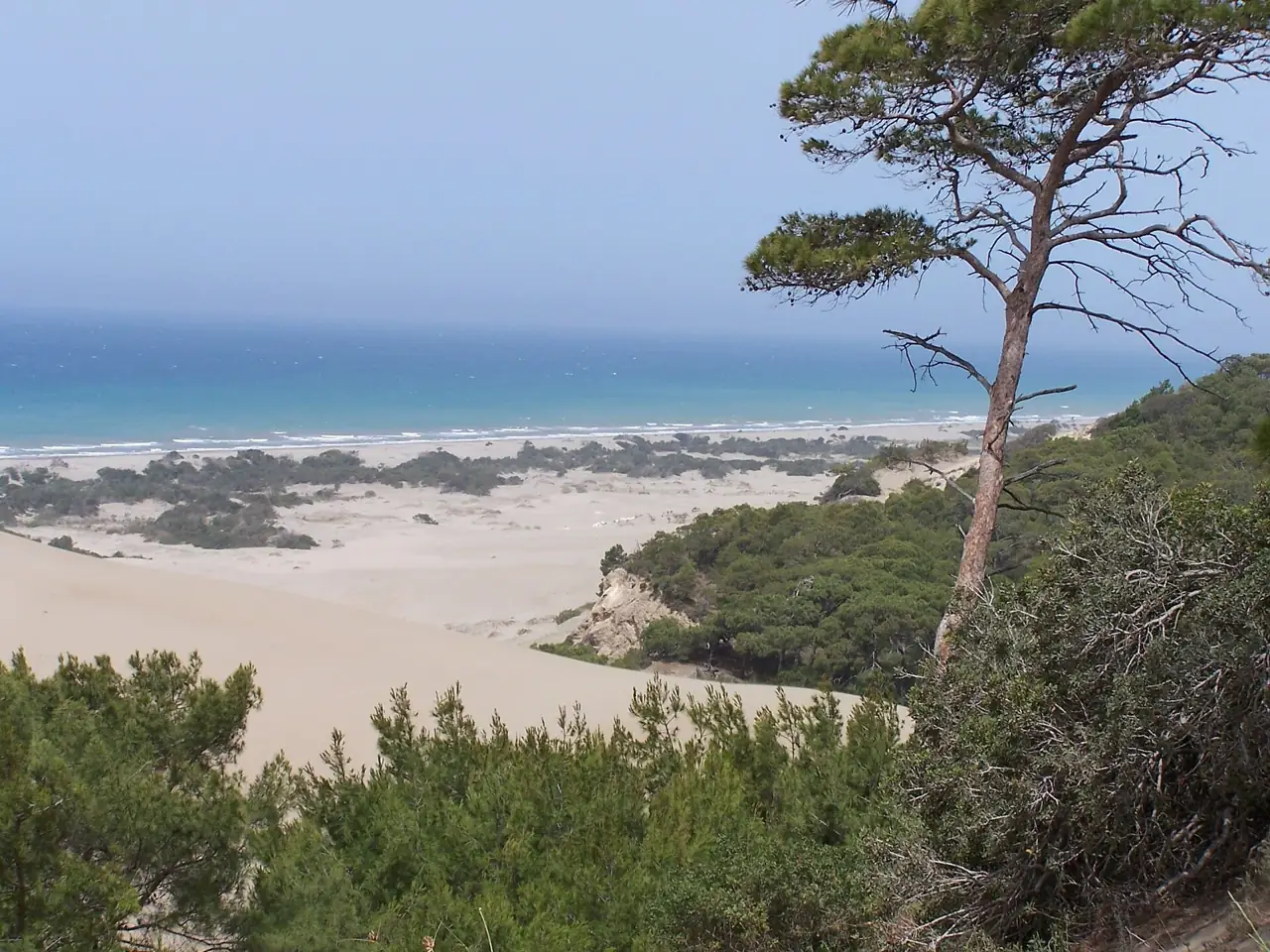
The sand runs for around 18 km to the northwest, backed by high dunes and, in places, pine trees. Near the main entrance there are sunbeds and umbrellas to rent in season; walk ten minutes in either direction and you are almost alone, even in August. The entry is gently shelving, which suits children, but the beach faces the open sea: on windy afternoons waves and currents can be strong, so stay near the main entrance and keep children close.
There is very little natural shade. Bring an umbrella, a hat and more water than you think you need, and go in the morning or late afternoon. The sand gets hot enough in summer to make sandals useful.
Entry through the ancient site
The road to the beach passes through the archaeological site, and the site ticket covers the beach as well. The Müzekart museum pass is accepted. Prices and opening hours change every year, so check the current ones on the official museum website or at the gate before you go.
Turtles and the night closing
Loggerhead turtles (Caretta caretta) nest on Patara from about May to October. In the season the beach closes in the evening and opens again in the morning; do not try to stay on the sand after closing, do not use torches near the dunes, keep away from marked nests and take your rubbish with you. Umbrella poles and deep holes can damage nests, so use the rental area near the entrance where possible.
The dunes
The dunes behind the beach are among the largest on this coast and are part of the protected area. Walking on them is tempting, especially at sunset, but stay on the visible paths: the plants that hold the sand together are fragile, and turtle hatchlings head towards the sea across this ground. More beaches to compare: the best beaches of the Turkish Riviera.
Ancient Patara and around
The ancient city
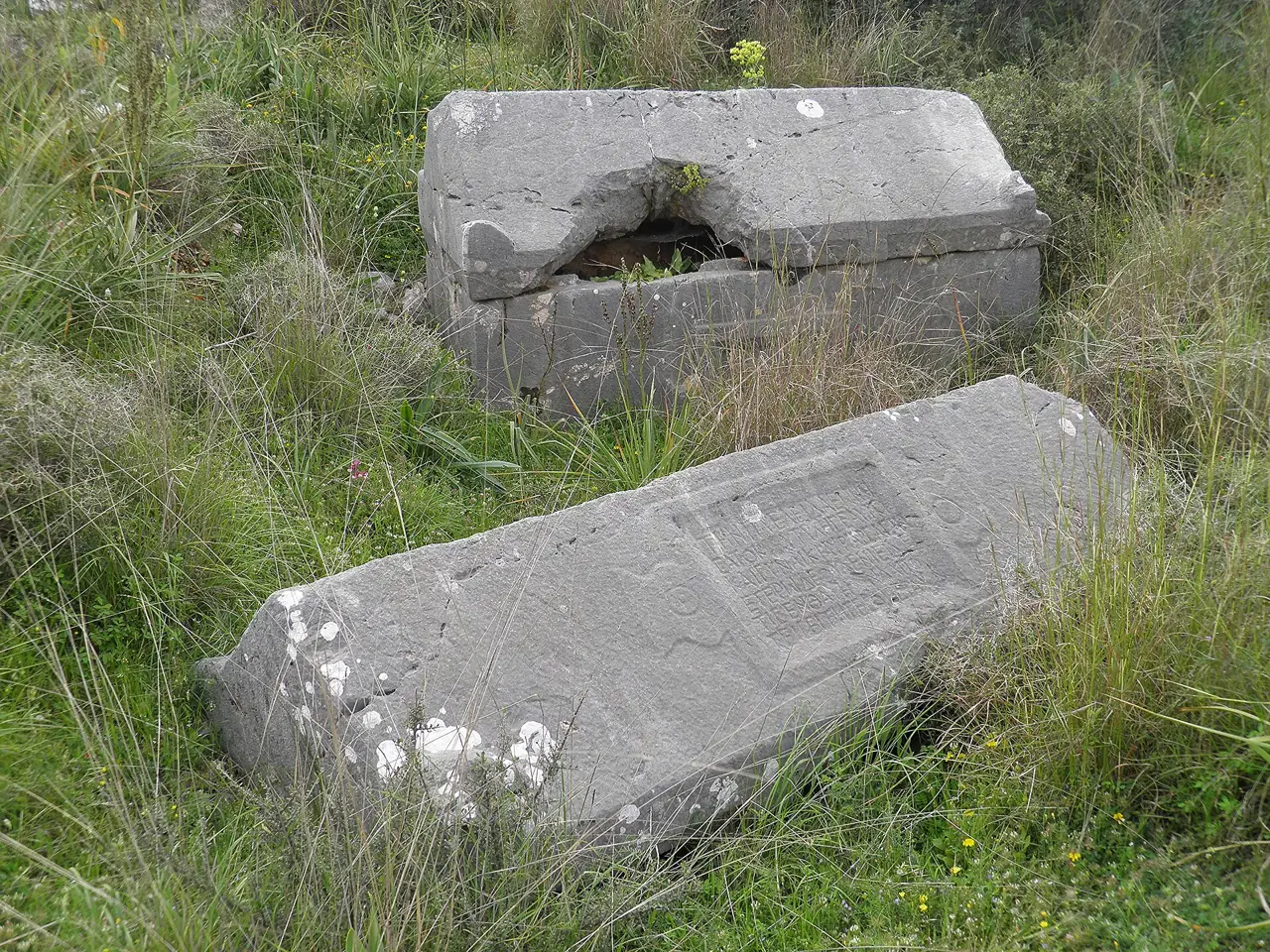
Patara was one of the main cities of ancient Lycia and its harbour. The highlight is the restored bouleuterion, the assembly hall of the Lycian League, often described as one of the earliest parliament buildings. Nearby are a large theatre cut into the hillside, a long colonnaded main street with some columns set up again, a monumental arch by the entrance and the remains of a Roman lighthouse. Tradition makes Patara the birthplace of St Nicholas.
Allow one to two hours. There is almost no shade on the site; combine it with the beach and visit early. More sites in our ancient sites guide.
Xanthos and Letoon
Two UNESCO World Heritage sites are close by. Xanthos, the old Lycian capital with its pillar tombs and theatre, is about 20 minutes inland; Letoon, the sanctuary of Leto with its temples, is a little further on the edge of the plain. Together with Patara they make a full and rewarding day; Letoon is hard to reach without a car or tour.
Lycian Way
The long-distance Lycian Way passes through Patara. The stretch between Patara and Kalkan crosses farmland and rocky coast with almost no shade, so walk it in spring or autumn and start early. See our Lycian Way guide for the sections and practical tips.
Further afield
Kalkan is about 20 minutes away, Kaputaş beach a little beyond it, and Saklıkent Gorge about an hour inland. In Gelemiş you may also be offered canoe trips on the Eşen river or horse rides; ask locally what runs that season. For more ideas see day trips.
Eating out and evenings
Gelemiş is a village, not a resort. There are a handful of family-run restaurants and cafés, often serving home cooking, gözleme and grilled fish or meat, plus a couple of small shops. Evenings are quiet: dinner, a walk under the stars, perhaps a drink on a pension terrace.
If you want rooftop restaurants, bars or a harbour to stroll, stay in Kalkan or Kaş and visit Patara by day. Outside the summer season some pensions and restaurants in Gelemiş close, so check before you book in winter.
Getting there and around
The nearest airport is Dalaman (DLM). Kalkan is about 120 km and 1 hour 45 minutes from Dalaman, and the Patara turn-off comes 15–20 minutes before Kalkan, so allow about an hour and a half to Gelemiş; see Dalaman Airport to Kalkan and all routes under Dalaman Airport transfers. From Antalya it is about 3.5 hours; our airports guide compares the two.
Dolmuş minibuses run along the D400 between Fethiye, Kalkan and Kaş, and in the season minibuses go from Kalkan to Patara; check the times locally, as they run less often outside summer. A car makes it easy to combine Patara with Xanthos, Letoon and Kaputaş in one day.
When to go
May, June, September and October are the best months: warm sea, softer sun and pleasant walking among the ruins. July and August are very hot on the open sand and the site, so go early and leave at midday. In spring the meadows around the ruins are green; in winter the beach is empty and many pensions close. See weather by month and sea temperature.
Frequently asked questions
Do you have to pay to go to Patara beach?
Yes. The beach is reached through the ancient site, and the site ticket covers both the ruins and the beach. The Müzekart is accepted. Check the current price and hours on the official museum website.
Is Patara beach open at night?
No. It is a turtle nesting beach, and in the season it closes in the evening and opens in the morning. Closing times vary by season; check at the entrance.
How long is Patara beach?
Around 18 km of sand and dunes, one of the longest beaches in Türkiye. Most people use only the section near the main entrance, so the rest is very quiet.
Where should I stay for Patara?
Gelemiş village, right behind the site, has family-run pensions and is closest to the beach. For more restaurants and evening life, stay in Kalkan (about 20 minutes) or Kaş (about 45 minutes).
Is Patara good for children?
The wide sand and gentle entry are great for children, but there is little shade and waves can be strong on windy afternoons. Go in the morning, bring an umbrella and swim near the main entrance.